
1 week ago
Best Enterprise & Multi Entity Retail Business Management Software
Best Enterprise & Multi Entity Retail Business Management Software
Introduction
Multi entity retail management software has become the backbone of modern retail operations especially for businesses that run multiple stores brands or subsidiaries under one umbrella. As retail chains expand across cities states and even countries managing inventory sales staff and finances across every location manually becomes impossible. This is exactly why enterprise grade multi entity retail management software like Lekajhoka has emerged as a go to solution for growing retail groups that need centralized control without losing the flexibility to manage each entity independently. In this guide we will explore what makes the best multi entity retail management software why enterprises need it and how platforms like Lekajhoka are transforming retail operations at scale.
What Is Multi Entity Retail Management Software?

Multi entity retail management software is a unified platform that allows retail businesses to manage several stores branches warehouses or legal entities from a single dashboard. Instead of using separate systems for each outlet businesses can consolidate operations such as billing inventory purchasing HR and reporting into one integrated ecosystem. For retail groups operating multiple brands or franchises each entity may have different tax structures currencies suppliers and pricing strategies. A true multi entity retail management software solution respects these differences while still offering centralized visibility for owners and regional managers.
Key Characteristics of Multi Entity Systems

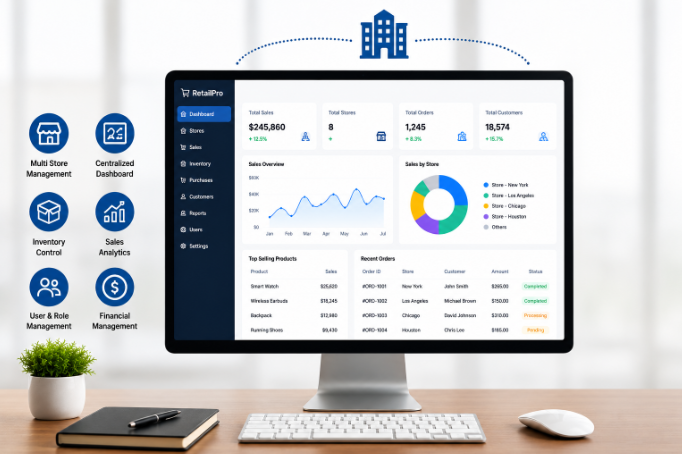
A centralized dashboard with entity level drill down gives businesses a clear view of operations while allowing them to track each unit separately. The software can maintain independent financial books for each business unit manage shared or separate inventory pools across different locations and provide role based access control for teams and branches. This helps retail businesses improve visibility maintain accurate records and manage multiple entities more efficiently.
Why Enterprises Need Dedicated Retail Management Software
Enterprise retail businesses face challenges that small single store retailers never encounter Coordinating stock transfers between warehouses, consolidating financial statements across entities and maintaining consistent customer experience across hundreds of touchpoints requires purpose built software.
Common Pain Points Without a Unified System

Inventory Stock
When each store or entity uses its own inventory system stock visibility across the organization suffers. This leads to overstocking in one location and stockouts in another.
Inconsistent Reporting
Without a centralized platform generating consolidated financial or sales reports across entities becomes a manual error prone exercise that eats up valuable time.
Disconnected Customer Data
Multi location retailers often struggle to build a unified customer profile when each branch operates in isolation hurting loyalty programs and personalized marketing.
Core Features to Look For in Multi Entity Retail Management Software
Choosing the right platform requires evaluating several critical capabilities that directly impact day to day operations and long term scalability.
Centralized Inventory Management
The best multi entity retail management software provides real time inventory visibility across all locations allowing businesses to track stock movement transfers and reorder points from a single interface.
Multi Entity Accounting and Compliance

Enterprise retailers need software that supports separate ledgers tax jurisdictions and compliance requirements for each entity while still rolling up into consolidated group level financial reports.
Omnichannel Point of Sale (POS)
A modern retail management platform should unify online and offline sales channels ensuring consistent pricing promotions and inventory across every customer touchpoint.
Advanced Analytics and Reporting
Enterprise dashboards should offer entity wise region wise and group wise performance analytics to help leadership make faster data driven decisions.
Role Based Access and Governance
Since multiple entities are managed under one system granular permission settings are essential to ensure that regional managers only access relevant data while headquarters retains full oversight.
Why Lekajhoka Stands Out as a Multi Entity Retail Management Solution
Among the many platforms available today Lekajhoka has positioned itself as a strong contender for Billing & Multi Entity Management Software for Enterprises seeking robust multi entity retail management software. It combines centralized control with the flexibility retail groups need to manage diverse business units.
Unified Operations Across Entities
Lekajhoka allows retail enterprises to manage inventory purchasing sales and staff across multiple entities from one login eliminating the need for fragmented systems.
Scalable Architecture for Growing Retail Chains
As businesses add new stores or acquire new brands Lekajhoka's architecture is designed to scale without requiring a complete system overhaul making it ideal for fast growing retail groups.
Real Time Data Synchronization
With real time syncing between entities decision makers using Lekajhoka can access up to date sales and inventory data regardless of which branch or subsidiary generated it.
Customizable Reporting for Enterprise Leadership
Lekajhoka offers customizable entity specific and consolidated reporting dashboards giving Billing & Multi Entity Management Software for Enterprises leadership the flexibility to view performance at the level of detail they need.
How to Choose the Right Multi Entity Retail Management Software for Your Business

Selecting the ideal platform depends on the size complexity and growth of your retail organization. Start by identifying your current operational challenges and specific pain points such as limited inventory visibility financial consolidation issues or reporting delays. Understanding these challenges will help you choose a retail business management software that meets your needs improves efficiency and supports future growth.
Evaluate Integration Capabilities
The software should integrate smoothly with your existing ERP accounting e-commerce and payment systems to avoid operational disruption during migration.
Consider Scalability and Support
Enterprise retail businesses grow quickly so the chosen multi entity retail management software should support future expansion additional entities and increased transaction volumes without performance issues.
Prioritize User Experience
A platform is only as effective as its adoption rate among staff. Choosing intuitive easy to navigate software reduces training time and improves operational efficiency across all entities.
Benefits of Implementing Multi Entity Retail Management Software
Improved Operational Efficiency
Centralizing operations reduces duplicate work manual reconciliation and administrative overhead across multiple entities.
Better Financial Visibility
Enterprise leadership gains real time consolidated financial insights across all business units enabling faster and more informed strategic decisions.
Enhanced Customer Experience
With unified customer data and consistent inventory across channels retailers can deliver a seamless shopping experience regardless of which location or platform customers use.
Reduced Operational Costs
By eliminating redundant systems and manual processes businesses using platforms like Lekajhoka can significantly cut operational costs over time.
Conclusion
As retail businesses expand across multiple locations brands and entities on disconnected systems are no longer sustainable. Investing in the right multi entity retail management software enables enterprises to centralize operations maintain financial clarity and deliver a consistent customer experience across every touchpoint. Platforms like Lekajhoka demonstrate how modern retail management solutions can balance centralized oversight with entity level flexibility making them a strong choice for enterprises looking to scale efficiently. Whether you're managing a handful of stores or a sprawling multi brand retail group. Choosing enterprise grade multi entity retail management software is a strategic investment that pays off in efficiency visibility and long term growth.